Pre-1960 bungalows around Third Ave Village need fast water main break response. The IICRC-standard crews stop the water and start drying in minutes.

Crews find the break point in the slab and shut off the water supply while keeping access points clear for pumping. Speed matters because each minute underground water is spreading, and on these old slabs, that can mean deeper structural compromise.
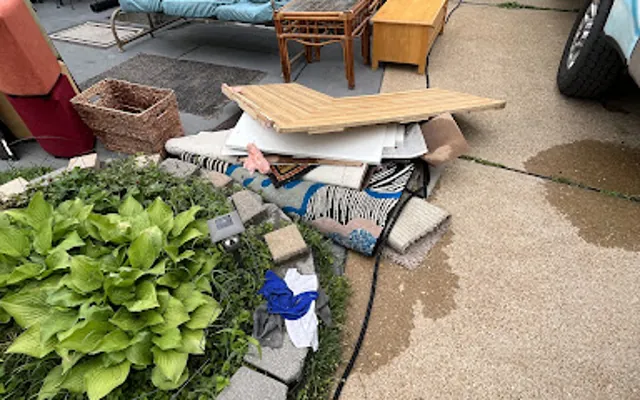
High-capacity pumps remove standing water from the yard, garage, and any entry points. Crews sample affected areas to determine whether porous materials like subflooring or drywall are salvageable or need full removal before the slab and framing dry.
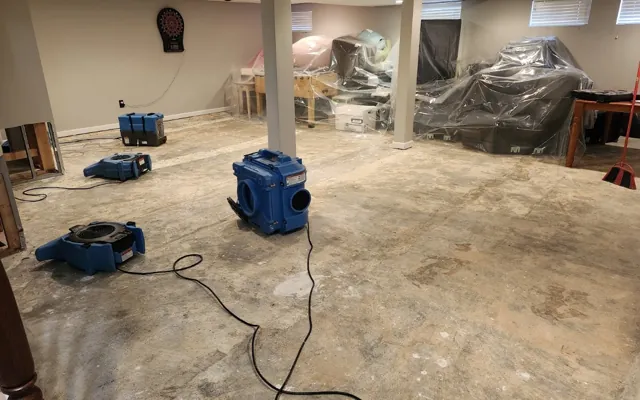
Air movers and dehumidifiers are positioned under the slab to pull moisture through the concrete. Crews test daily, reposition equipment as needed, and once materials reach acceptable moisture levels, crews restore the affected finishes to match the rest of your home.

Water main break cleanup in Northwest Chula Vista typically runs $1,000 to $9,000, depending on how much water reached the home and whether it affected a garage, crawlspace, or interior flooring. The pipe repair itself is billed separately, either by the city for a public main or a plumber for a private service line. Coverage depends on which line failed, and crews document the source and spread carefully to support the right claim.
Northwest Chula Vista's oldest homes rest on concrete slabs with original copper and galvanized lines running underneath. A pinhole leak hides for weeks until a warped floor or damp baseboard catches your eye, and by then the slab damage is already spreading. Crews arrive fast to find the break, pump out standing water, and dry the slab and framing before the decay worsens. Decades-old copper and galvanized supply lines corrode from the inside, while cast iron drains weaken and crack. Northwest Chula Vista's slab-on-grade construction means a pinhole leak or main break surfaces as structural damage before water is ever visible on the surface. From Northwest Chula Vista, crews also cover nearby Terra Nova, Castle Park, Harborside, Rancho del Rey, Bonita, National City. See every neighborhood and town on the full service area page.
See all areas servedEvery loss is photographed, measured, and logged from the first visit, so the paperwork holds up with your insurance carrier.
Technicians follow recognized IICRC drying standards and prove the work with daily moisture readings, not guesswork.
Emergency dispatch any hour of the day or night, with a real crew on the way, not a callback in the morning.
A real crew dispatched any hour, not a callback in the morning.
Trained technicians following recognized IICRC drying standards.
Truck-mounted, portable, and submersible for any size loss.
The loss is documented and billed to the carrier directly.
Many can be repaired by the city or a plumber using a small access point rather than a complete excavation. Crews focus on drying and protecting the structure while the line is fixed, then finishes are restored. Your plumber will tell you if tunneling or spot repair is the best path for your home.
Typically seven to fourteen days, depending on how much water reached the slab and whether framing was also affected. Crews run drying cycles twenty-four hours a day and test moisture every day to confirm when the structure is truly dry. Moisture readings drive the schedule, not a calendar date.
Crews are on call 24 hours a day and can be on the way to Northwest Chula Vista within the hour.
Call (619) 651-9086