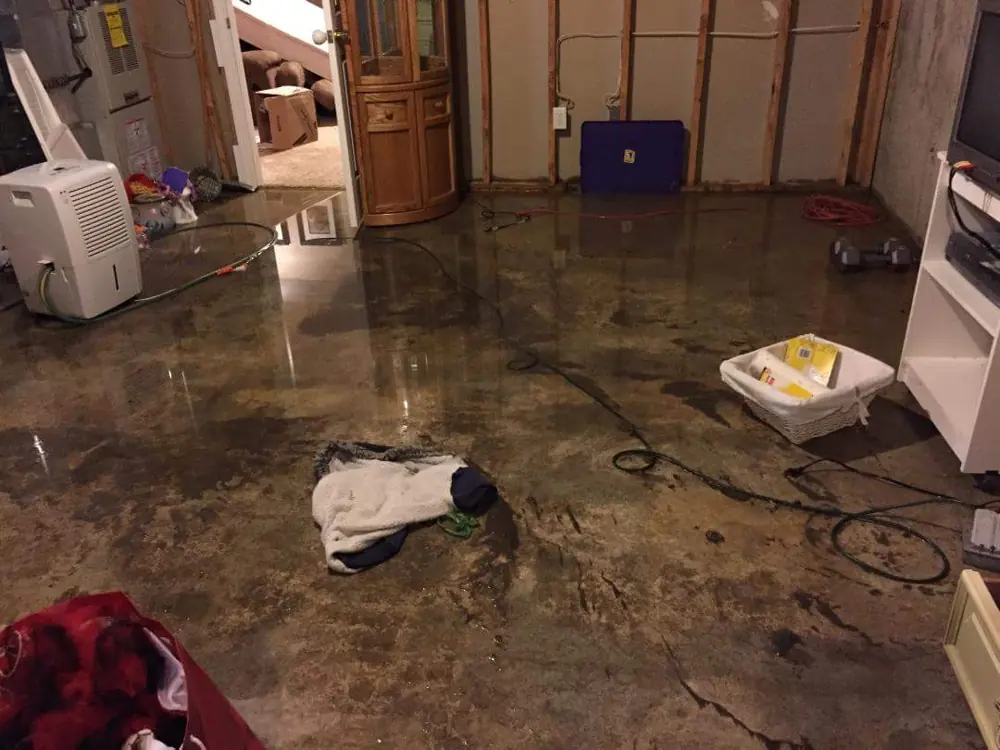
Coastal humidity clogs HVAC condensate lines faster than inland areas, and a backed-up drain pan can soak a ceiling in hours. Crews respond in about an hour, IICRC-standard.

Crews confirm the condensate line or drain pan as the source and check for a failed float switch or safety shutoff.
Water pooled in the attic, drain pan area, or on the ceiling below is extracted before drying begins.
Air movers and dehumidifiers dry insulation, ceiling drywall, and the attic space while moisture is tracked daily.
Crews clear or repair the condensate line, repair stained ceiling drywall, and replace saturated insulation.

While help is on the way, these first steps, done only where it is safe, limit the damage and protect the insurance claim.
Shut the supply off at the source, or close the home's main valve if the source is not obvious. Stopping the flow limits the damage more than anything else.
Switch off electricity to the affected area, but only if the breaker can be reached without standing in or touching the water.
Get a crew dispatched right away. The sooner extraction and drying begin, the more flooring, drywall, and belongings can be saved.
Take photos and a short video of the water and the affected rooms before anything is moved, so the insurance claim starts strong.
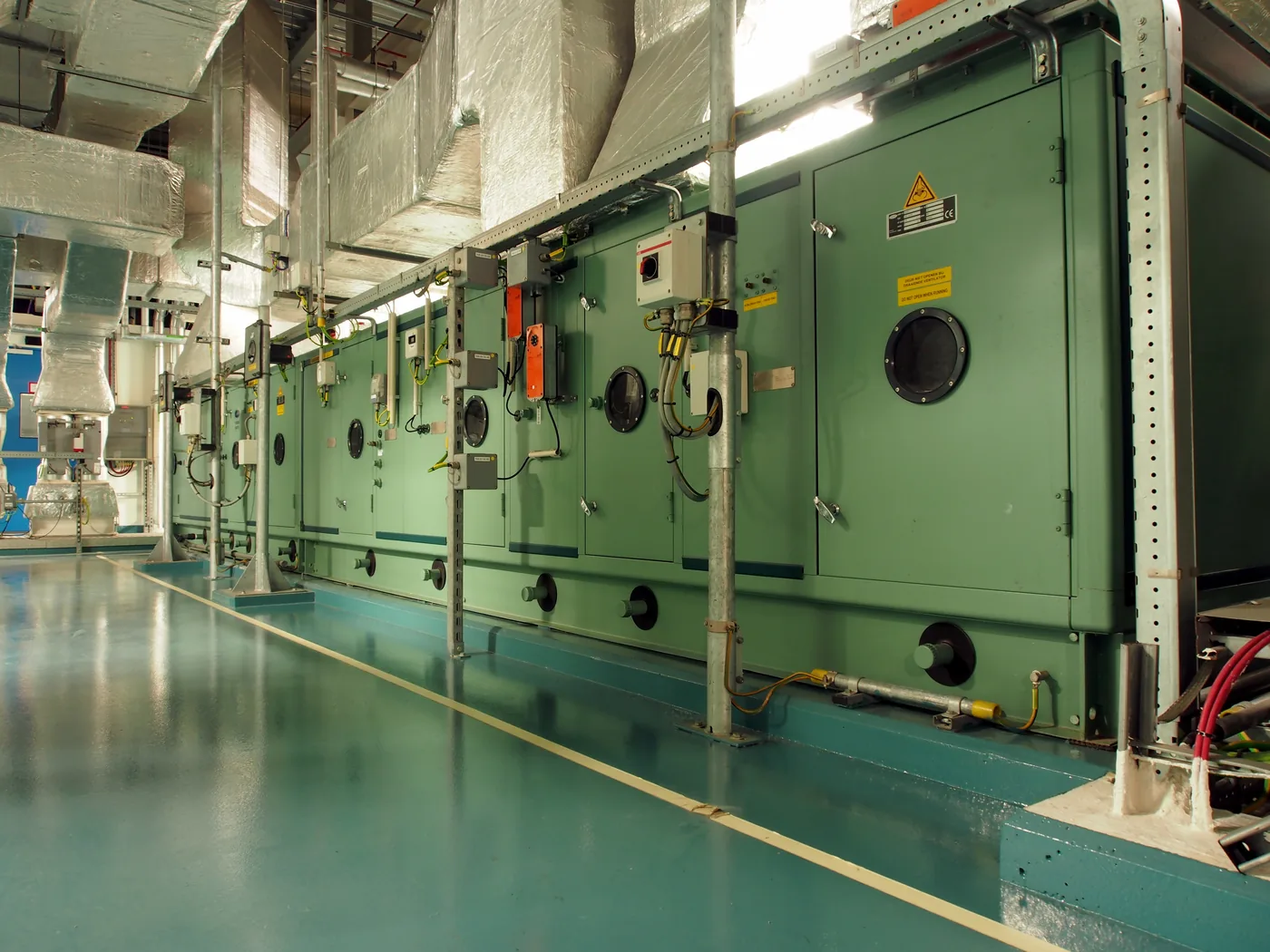
HVAC condensation water damage cleanup in Chula Vista typically costs $400 to $3,000, depending on how much insulation needs replacing and whether ceiling drywall below the unit has to come down. A sudden drain line clog or failed float switch is usually covered by homeowner's insurance, since it counts as a sudden mechanical failure rather than gradual neglect.
Crews reach Chula Vista and the South Bay fast, from Eastlake and Otay Ranch to Rancho del Rey, Terra Nova, and Third Ave Village, and nearby Bonita and National City. See the full list on the areas served across Chula Vista page.
See all areas servedEvery loss is photographed, measured, and logged from the first visit, so the paperwork holds up with your insurance carrier.
Technicians follow recognized IICRC drying standards and prove the work with daily moisture readings, not guesswork.
Emergency dispatch any hour of the day or night, with a real crew on the way, not a callback in the morning.
A real crew dispatched any hour, not a callback in the morning.
Trained technicians following recognized IICRC drying standards.
Truck-mounted, portable, and submersible for any size loss.
The loss is documented and billed to the carrier directly.
Coastal humidity in Chula Vista encourages algae and biofilm growth inside condensate lines faster than in drier climates. Regular flushing with a vinegar or bleach solution a few times a year, or a professional cleaning, helps prevent recurring clogs.
A ceiling stain below an attic-mounted air handler, a musty smell when the AC runs, or reduced cooling performance combined with any of those signs all point toward a condensate or drain pan issue worth checking immediately.
A float switch sits in the secondary drain pan and shuts the AC system off automatically if the primary drain clogs and water starts backing up. It is inexpensive insurance against exactly the kind of overflow that damages ceilings.
Usually yes, since a clogged line or failed switch is treated as a sudden mechanical failure. If the system was known to be leaking for a long time without any attempt to fix it, coverage can be denied as a maintenance issue.
Yes. Installing or replacing a float switch, having the condensate line professionally flushed annually, and keeping the drain pan clear of debris are all low-cost steps that prevent the vast majority of condensation-related water damage.
Chula Vista crews are on call 24 hours a day, local and fast, and can be on the way within the hour.
Call (619) 651-9086